
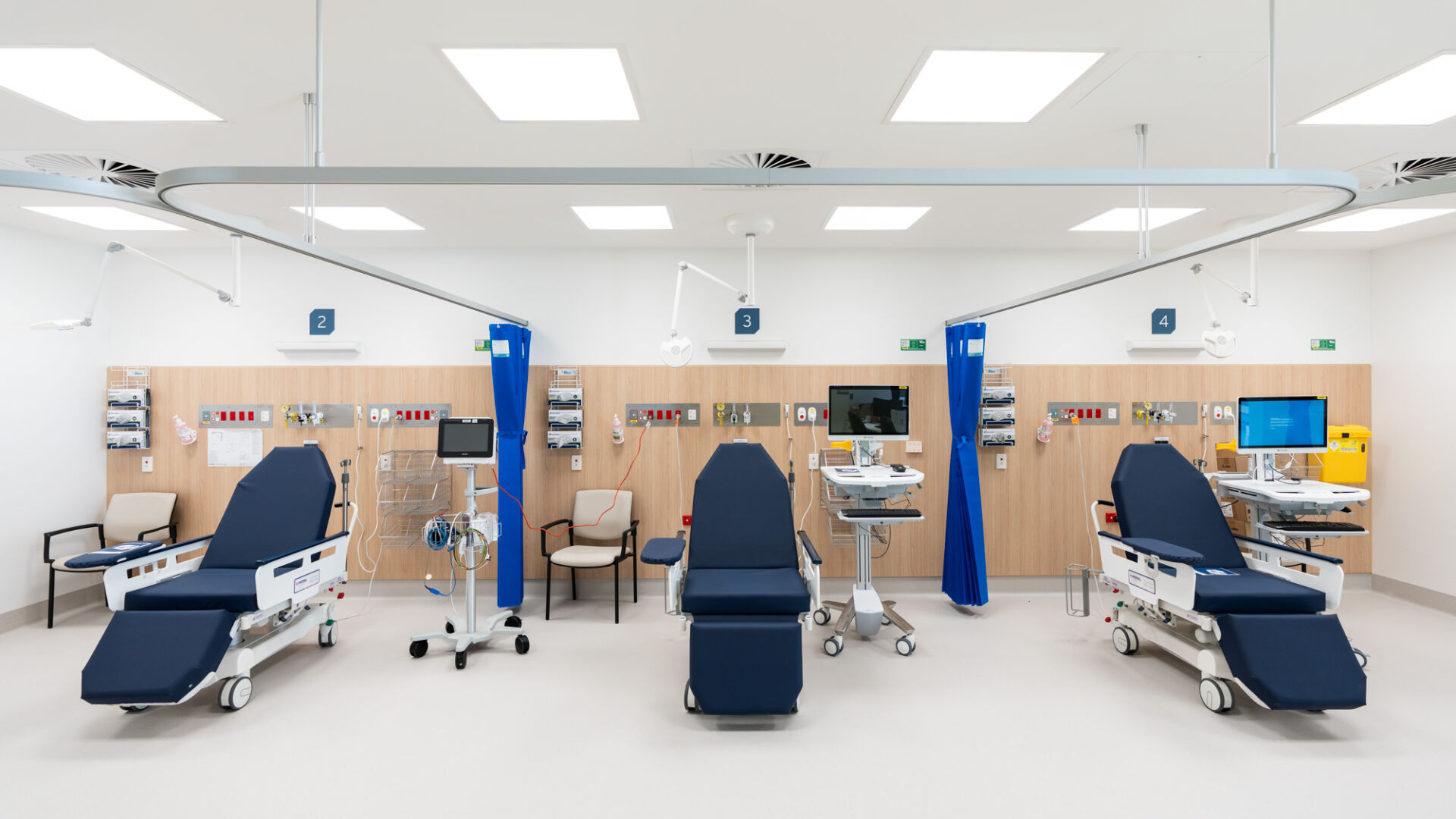
7 Top Features Of Bariatric Chairs
There are numerous pieces of commercial furniture that most people can both identify and name. Obvious examples include office chairs, bookshelves, and filing cabinets.
However, there is also commercial furniture which you might not be so familiar with, and almost certainly will not be able to name, unless you have experience with them, or know someone who has.
Such an item of commercial furniture is called a bariatric chair. That it is a chair, will not come as a surprise, but, if you were to see it, you might notice that it is different to other chairs you might be familiar with, nor likely know what its purpose is.
In the case of a bariatric chair, its purpose is to provide comfortable and supportive seating for those who are overweight and/or oversized.
By oversized and overweight, we are not talking about someone who is a few kilograms above their recommended healthy weight but, instead, individuals who are a significant number of kilograms heavier and are subsequently also much larger than most, given that they are carrying so much extra weight.
As for what makes a bariatric chair different from other chairs, including those used for other medical purposes, it will help you to understand this better if we highlight seven of the top features that apply to bariatric chairs.
Top Feature #1 – Weight Capacity
The most common feature of a bariatric chair is that its safe working load and thus maximum weight capacity is much higher than other commercial furniture chairs.
For example, whilst a typical office chair’s specified maximum weight for users can be up to 250kg, bariatric chairs’ will be between 750 kg and 1,000 kg.
Top Feature #2 – Increased Width/Depth/Height
As we have mentioned, it is not just the weight of the person who needs a bariatric chair that is a factor, it is also their size. With much additional weight, most of their body will also be larger than it would be at a healthier weight.
This necessitates that the bariatric chair they use is wider and deeper than normal chairs, and often at a height that allows their feet to rest flat on the floor when sitting.
Top Feature #3 – Reclining Option
This a feature that will not be found on every bariatric chair, but we include it as many of them will have a reclining feature.
Its function is both to allow the user to sit more comfortably with their feet raised and to aid their movement in and out of the chair, which we will address further in ‘Top Feature #7’.
Top Feature #4 – Neck And Back Support
Not every overweight person will have back and neck problems, but many will have. As such, bariatric chairs which have enhanced back and neck support will be required.
These have lumbar rolls within the chair, back rolls, memory foam, and contoured foam beneath the upholstery.
Top Feature #5 – Leg Support
This might be present on a bariatric chair with a reclining feature, but there are other ways it can be achieved. The chair might come with a separate footstool, or it could have a footrest that is either fixed or can be folded away beneath the chair.
Top Feature #6 – Armrests
One of the key facets of the armrests on a bariatric chair is that they are robust, strong, and able to withstand excess pressure, for example when the user is getting out of the chair.
On some bariatric chairs, the arms are fixed, whereas on others they are drop-down to make it easier to move laterally.
Top Feature #7 – Assistance Getting Up From Or Sitting In The Chair
This speaks to the fact one of the most important facets of a bariatric chair is that it should enable the person using it to sit in the chair or get up from the chair with as much ease as possible.
Features such as leg raisers, recliners, tilt and rise, and robust armrests can all contribute to this aim though it will differ from chair to chair based on what is most suitable for the user in question.